Kurnool Bus Fire Tragedy: 25 Dead as India’s Bus Safety Crisis Deepens
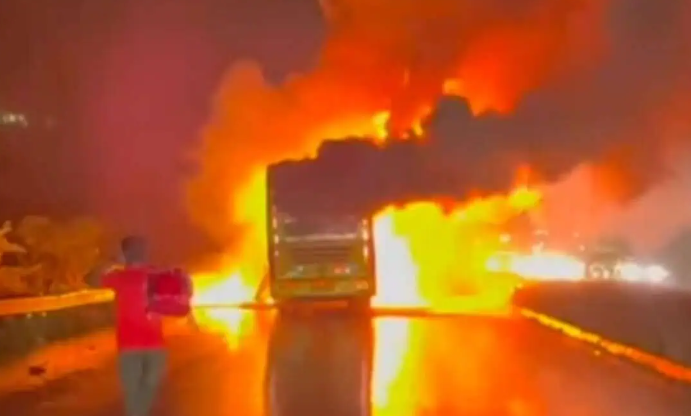
A Bengaluru-bound private sleeper bus erupted into flames before dawn on Friday near Chinnatekur in Kurnool district of Andhra Pradesh, after colliding with a motorcycle. Most passengers were asleep when the fire broke out, leaving several trapped inside as the bus turned into a fireball within minutes. At least 25 people are feared dead and many others injured, their bodies charred beyond recognition.
This horrific tragedy once again throws light on India’s neglected bus safety system — a system crippled by corruption, weak enforcement, and official apathy. Every day, hundreds of private buses travel from Hyderabad and major Telangana districts to destinations across South India, carrying lakhs of passengers. Yet, very few follow safety norms, and government checks remain superficial or compromised.
A decade of disasters
According to the Ministry of Road Transport & Highways, India recorded nearly 4.8 lakh road accidents in 2023, resulting in over 1.7 lakh deaths — that’s an average of 474 deaths every day. Bus-related accidents form a significant share of this toll. Over the past decade, thousands have lost their lives in bus crashes, while more than 150 people have died in bus fire incidents across India — including the 2013 Mahbubnagar and 2021 Tamil Nadu sleeper bus tragedies. These are not isolated events; they expose deep, recurring flaws in road transport governance.
What went wrong in Kurnool
Preliminary investigation suggests the bus’s fuel tank caught fire after the collision. The motorcycle was dragged beneath the vehicle, igniting a massive blaze. Passengers tried to escape, but the doors were jammed and emergency exits were reportedly missing or blocked. Many were burnt alive. The bus, registered in another state, had several previous traffic challans. Questions are now being raised on how such vehicles continue to operate despite repeated violations.
A chain of corruption and negligence
Insiders and industry observers allege that some transport officials receive monthly commissions from travel associations — allowing unfit and illegally modified buses to ply. Vehicles operate without mandatory safety audits, fire extinguishers, or valid permits. The law exists, but enforcement is a farce. Greed has overridden duty, and passengers are paying with their lives.
Why bus fires keep happening
- Poor maintenance and illegal modifications – Many operators alter fuel tanks or electrical circuits to fit additional systems, turning buses into moving fire hazards.
- Flammable interiors – Cheap foam, plastic linings, and curtains spread flames quickly.
- Blocked or faulty emergency exits – Many sleeper coaches have no usable emergency windows or hammers to break glass.
- Driver fatigue and overspeeding – Most night services are run by overworked drivers racing to meet schedules.
- Weak cross-state enforcement – Buses with repeated offences often shift registration to another state to escape suspension.
Who is responsible?
Every tragedy like Kurnool exposes a clear chain of accountability:
- The bus operator, for failing to maintain safety standards.
- The transport department, for issuing or renewing fitness certificates without genuine checks.
- The government, for ignoring years of recommendations on passenger safety.
- And finally, the enforcement officials, whose silence and complicity have cost lives.
The road ahead
If the government is serious about preventing more mass deaths, it must act decisively:
- Conduct nationwide surprise inspections of all private sleeper buses.
- Make fire safety audits mandatory every six months.
- Introduce GPS-linked emergency alert systems for all interstate buses.
- Enforce strict punishment for corrupt transport officials and erring operators.
- Launch a public database of buses with cancelled fitness or safety violations.
A call for accountability
The Kurnool tragedy is not an accident — it is a result of deliberate neglect and corruption. Year after year, bus fires consume innocent lives while inquiries fade into silence. Condolences and compensation can no longer substitute for justice and reform. The government must treat road safety as a national emergency, not a bureaucratic formality.
Until then, every journey on India’s highways remains a gamble with fate — and every burning bus a reminder that we value profits more than human lives.