Global Affairs Desk | October 2025:
The world is witnessing a new political age — one where individual leaders tower above institutions, and the idea of democracy is being rewritten to fit the ambitions of the powerful. From Xi Jinping in China and Vladimir Putin in Russia to Recep Tayyip Erdoğan in Turkey, Kim Jong Un in North Korea, and even Narendra Modi in India, a wave of dominant, long-serving rulers is reshaping not just their nations, but the very structure of global politics.
The recent unanimous endorsement of Xi Jinping by the Chinese Communist Party during its plenary session has only cemented this global trend — of leaders who refuse to fade, of systems that serve individuals rather than people, and of nations where opposition struggles to breathe.
The Global Return of One-Man Rule
Once considered relics of the Cold War, long-serving rulers are again defining the geopolitical map. The style has changed — it’s now wrapped in elections, slogans, and social media — but the essence remains: centralized power, silenced dissent, and unending authority.
- China: Xi Jinping, now in his third term with the possibility of ruling for life, has rebuilt China around his vision of the “Chinese Dream.” His leadership model prizes control, party loyalty, and technological surveillance over political plurality. Rumours about his absence from public view recently triggered speculation, but his reappearance at the plenary meeting reaffirmed total control.
- Russia: Vladimir Putin, in power for over two decades, continues to dominate Moscow’s politics with military strength and nationalist fervor. Elections exist but are largely ceremonial. His extended rule and war-driven nationalism have made him one of the most influential, and feared, figures in the modern world.
- Turkey: Recep Tayyip Erdoğan’s transformation from a reformer to an autocrat mirrors the modern strongman playbook — curbing press freedom, reshaping the judiciary, and building loyalty through religion and nationalism.
- North Korea: Kim Jong Un’s dynasty shows no sign of change. Military parades and nuclear tests sustain the illusion of invincibility, even as the nation struggles under sanctions and isolation.
- Middle East: Leaders like Mohammed bin Salman of Saudi Arabia are redefining monarchic power by mixing modernization with control — allowing social reforms while tightening the political leash.

India’s Strong Democratic Face, But Centralized Power
In the world’s largest democracy, Prime Minister Narendra Modi stands as one of the most powerful leaders India has seen in decades. His popularity, personality-driven governance, and direct communication with citizens through mass outreach programs have consolidated immense authority in the Prime Minister’s Office.
While India remains a constitutional democracy, critics argue that institutions have weakened and political opposition has faded. The judiciary, investigative agencies, and media face accusations of bending under pressure. Yet, Modi’s vision of a “New India” — driven by nationalism, economic reforms, and religious identity — has captured the imagination of millions.
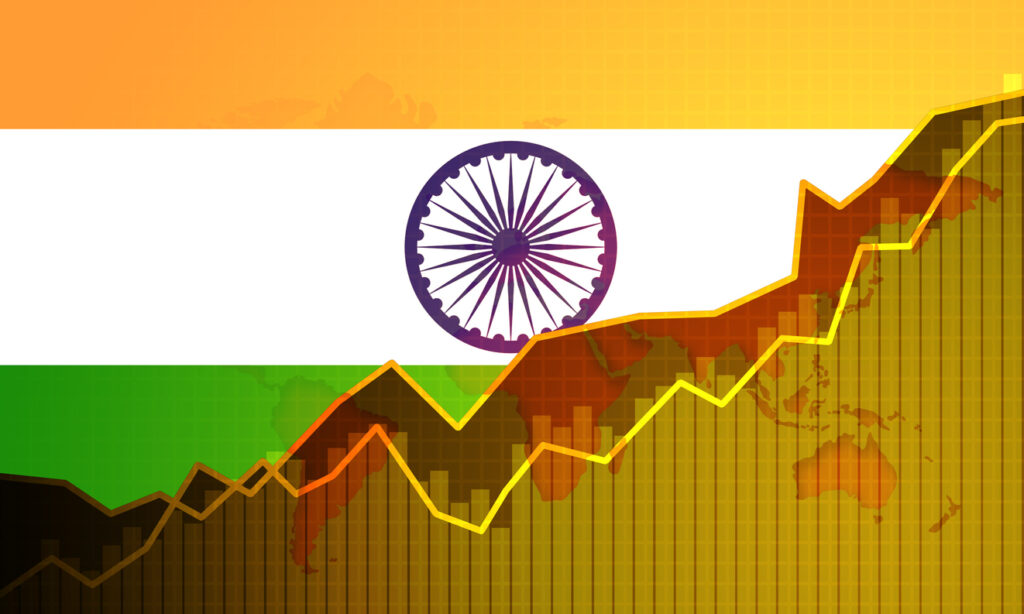
India’s rise on the global stage — through G20 diplomacy, technology initiatives, and assertive foreign policy — mirrors Xi and Putin’s global assertiveness, but with a democratic label.
Why Strongmen Thrive
Across continents, several common forces fuel this phenomenon:
- Economic anxiety and nationalism: In uncertain times, people crave stability and decisive leadership.
- Information control: State-run media and digital propaganda reshape narratives.
- Weakened opposition: Fragmented parties and lack of credible alternatives make the same leaders appear indispensable.
- Populism and charisma: Modern leaders use emotional appeals — not institutions — to sustain loyalty.
Social media, once seen as a tool for freedom, has become a weapon for manipulation. Platforms that once sparked revolutions now serve to amplify official narratives and drown dissent.
A Changing World Order
This concentration of power is rewriting geopolitics:
- China and Russia have forged a strategic axis challenging Western dominance.
- India balances between democratic alliances and strategic autonomy, seeking its own superpower identity.
- The U.S. and Europe, once united in promoting liberal democracy, are increasingly defensive, struggling with polarization at home.
- Regional powers — from Turkey to Saudi Arabia — are asserting independent agendas without fearing Western intervention.
Global politics is now a contest between two ideologies — the model of controlled leadership and the model of free democracy. But as the latter weakens, more nations are tilting toward the former, drawn by the illusion of strength.
The Cost of Endless Power
While strongmen deliver stability and decisive governance, the cost is high — shrinking freedoms, intolerance of criticism, and institutions that serve authority instead of law. When leaders outlast the systems meant to balance them, the people eventually lose their voice.
History shows that power concentrated too long in one hand often leads to decline — economic, moral, or political. The challenge before the world is not merely how to coexist with strongmen, but how to protect democracy from becoming a slogan rather than a system.
The Verdict of Our Times
From Beijing’s Great Hall to Delhi’s Parliament, from Moscow’s Kremlin to Ankara’s Palace, the message is unmistakable — this is the era of unshakable rulers.
Whether it leads to stability or stagnation, history will decide. But one thing is clear: the 21st century belongs not to nations, but to personalities.