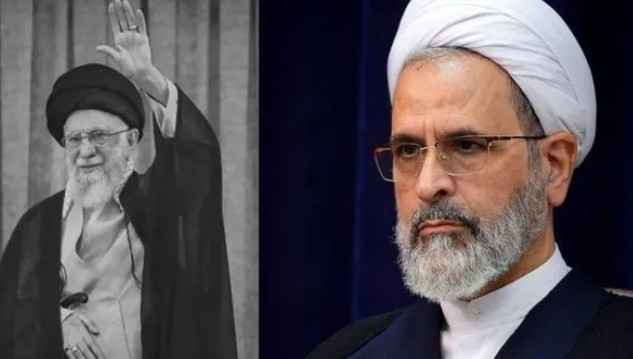
Iran: Tehran has entered one of the most uncertain chapters in its history after reports emerged that Iran’s newly appointed interim Supreme Leader Ayatollah Alireza Arafi was killed in an airstrike just hours after assuming office.
The development comes immediately after the confirmed death of Ayatollah Ali Khamenei, ending his decades long rule and triggering an urgent leadership transition. What was meant to signal continuity has instead turned into deepening uncertainty at the highest level of the Iranian state.
Arafi had been appointed as interim Supreme Leader following emergency consultations among senior clerics and officials. His role was to oversee stability while the Assembly of Experts began the formal process of selecting a permanent successor. However, unverified reports now claim that he was targeted in a subsequent strike shortly after taking charge.
As of now, Iranian authorities have not issued a definitive statement confirming or denying the reports about Arafi. The absence of clarity has fueled speculation and anxiety both inside and outside the country.
Security forces have intensified their presence across Tehran. Sensitive government locations remain heavily guarded. State media has focused on national mourning coverage while avoiding detailed commentary on the reported second strike.
Iran’s political system is structured but complex. The Supreme Leader holds ultimate authority over the military, judiciary, and major state decisions. Losing two top figures in rapid succession creates a rare and dangerous vacuum. Analysts believe emergency meetings are underway involving senior clerics, Revolutionary Guard leadership, and constitutional bodies to prevent instability.
The regional consequences are already unfolding. Military readiness levels in neighboring countries have reportedly increased. Energy markets reacted quickly to the uncertainty, reflecting fears of escalation. Diplomatic backchannels are active as global powers attempt to assess the situation.
Inside Iran, the timing is critical. The country has faced economic strain and periodic protests in recent years. Leadership instability at this scale adds pressure to an already sensitive environment.
The Assembly of Experts is constitutionally responsible for appointing the next Supreme Leader. Whether that process can proceed smoothly amid these extraordinary developments remains unclear.
For now, Tehran stands tense and watchful. If confirmed, the killing of a newly appointed Supreme Leader within hours of his elevation would mark one of the most dramatic and destabilizing moments in modern Iranian history.
The coming hours may define the future direction of the Islamic Republic.