By OG News Desk | International Affairs
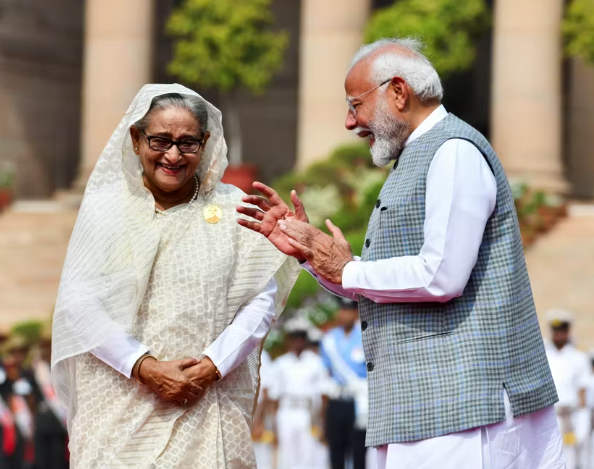
New Delhi / Dhaka: A major diplomatic standoff has emerged in South Asia after Bangladesh formally demanded the extradition of its former Prime Minister Sheikh Hasina, who was recently sentenced to death in absentia by a special tribunal on charges linked to the 2024 student protest crackdown. India has indicated that it is not prepared to hand her over immediately, citing legal, human-rights and diplomatic concerns.
The verdict, announced on 17 November 2025, convicted Hasina of crimes against humanity. She fled to India after being forced from office following months of widespread protests and violent clashes. The interim government now in power in Dhaka has pressed New Delhi for her return under the 2013 India-Bangladesh Extradition Treaty, warning that continuing to shelter her would be seen as an unfriendly act.
Why India Is Reluctant to Extradite Hasina
Political-Offence Exception
Legal experts note that the 2013 extradition treaty includes a specific clause allowing refusal if the accusations are political in nature. India believes the charges arise from a political conflict rather than a conventional criminal act, giving New Delhi a valid legal basis to resist the extradition request.
Human Rights and Death Penalty Concerns
Hasina was tried in her absence and sentenced to death, raising questions under international human-rights norms. India may require assurances that she will receive a fair retrial and protection from capital punishment before considering any handover.
Legal and Judicial Process
Extradition is not automatic and must undergo detailed scrutiny by Indian courts. India must assess whether the request is lawful, proportionate and in good faith.
Diplomatic and Strategic Considerations
Bangladesh is one of India’s most important regional partners in areas including security, trade, border management and refugee handling. Extraditing a former head of government could have long-term diplomatic consequences and potentially destabilize the region.
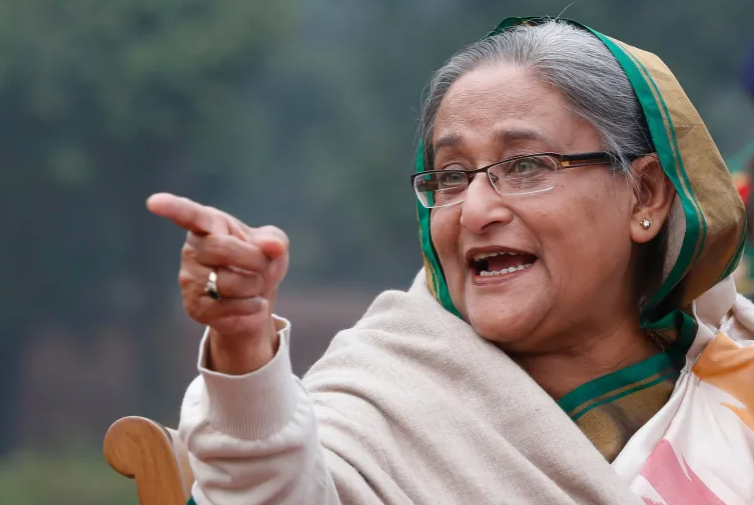
Bangladesh’s Position
Bangladesh’s interim authority led by Muhammad Yunus insists the conviction represents a commitment to accountability. Officials in Dhaka have stated that justice must be respected and have urged India to cooperate fully.
Hasina’s supporters, however, have rejected the court ruling as politically motivated and accuse the interim regime of seeking revenge.
Regional and Global Implications
India-Bangladesh Relations
The diplomatic balance is delicate. Tension over extradition could impact trade negotiations, water-sharing agreements and ongoing border-control coordination.
Domestic Politics in Bangladesh
As Bangladesh prepares for national elections in February 2026, the Hasina judgment and extradition battle are expected to dominate political debate.
International Scrutiny
Global human-rights organisations and the United Nations have expressed concern over both the use of the death penalty and the trial in absentia.

What Comes Next
- Bangladesh is expected to submit a formal extradition request through diplomatic channels.
- India may request assurances regarding fair judicial process and the death penalty.
- Diplomatic negotiations are likely to intensify as both sides seek a workable solution.
- Political tensions may rise within Bangladesh depending on the outcome.
Conclusion
The refusal by India to immediately extradite Sheikh Hasina highlights the complex intersection of law, diplomacy and regional strategy. While Bangladesh demands swift action following the death sentence, India has chosen to proceed cautiously, citing treaty provisions, human-rights considerations and geopolitical consequences. The issue is expected to shape South Asian politics in the coming months and may become one of the region’s most significant diplomatic confrontations in recent years.