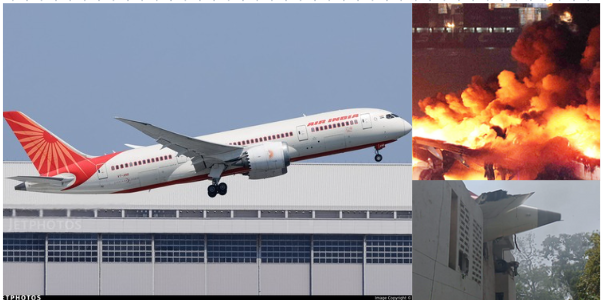
In the aftermath of the devastating June air crash that claimed more than 240 lives, Air India is seeking a ₹10,000 crore financial infusion from its parent company Tata Sons and strategic partner Singapore Airlines (SIA). The national carrier, which is currently undergoing a massive transformation under the Vihaan.AI initiative, aims to utilize the funds to strengthen safety systems, restore public confidence, and stabilize operations amid one of the most challenging phases in its modern history.
According to internal sources, the proposed capital infusion will be directed towards fleet safety audits, technological upgrades, crew retraining, and infrastructure modernization. A portion of the funds will also support compensation to victims’ families, enhance emergency response systems, and rebuild brand trust globally.
A Critical Moment for Air India
The tragic accident—the deadliest in Indian aviation in nearly two decades—has raised serious concerns about the country’s aviation safety ecosystem. Preliminary investigations by the Directorate General of Civil Aviation (DGCA) have pointed to possible technical and procedural lapses, though the final report is awaited.
Industry experts estimate that Air India may face losses exceeding ₹2,500 crore due to flight cancellations, operational disruptions, and global reputation damage since the incident. The proposed funding, if approved, would serve as an immediate lifeline to ensure continuity of operations and compliance with stringent international safety standards.
Transformation Plan Continues
Despite the tragedy, Air India remains committed to its ambitious five-year transformation plan, Vihaan.AI, launched in 2022. The plan envisions turning Air India into a world-class global airline through fleet renewal, service upgrades, and digital innovation.
The airline has already placed a historic order for 470 new aircraft from Airbus and Boeing—one of the largest in aviation history—with deliveries slated to begin in 2026. However, analysts suggest that the recent crisis may prompt the group to reprioritize investments towards safety and regulatory compliance before expansion.
Restoring Passenger Trust
Following the crash, Air India has launched a comprehensive review of its safety and maintenance procedures. The carrier is reportedly collaborating with global aviation safety consultants to redesign its internal systems and implement predictive maintenance technologies to detect faults before they escalate.
An official close to the development said, “The priority now is not just financial recovery but emotional recovery. We must rebuild trust among passengers and employees alike.”
A Test for Tata Sons and Singapore Airlines
The lifeline request marks a pivotal test for Tata Sons, which reacquired Air India from the Government of India in January 2022, ending nearly seven decades of state control. Singapore Airlines, holding a 25.1% stake in Air India Group, is also expected to play a key role in strategic and operational restructuring.
If approved, the ₹10,000 crore infusion would bring Air India’s total recapitalization under Tata ownership to over ₹45,000 crore, reflecting the group’s long-term commitment to reviving India’s flag carrier.
Looking Ahead
While public sentiment remains somber, aviation experts believe that Air India’s renewed focus on transparency, safety, and accountability could set new benchmarks for the Indian aviation industry.
As the airline navigates through grief, scrutiny, and reform, its next steps will determine not just its future—but also the global perception of India’s aviation safety standards.