Social activist Chegondi Chandrashekar’s initiative inspires thousands to celebrate responsibly, without liquor
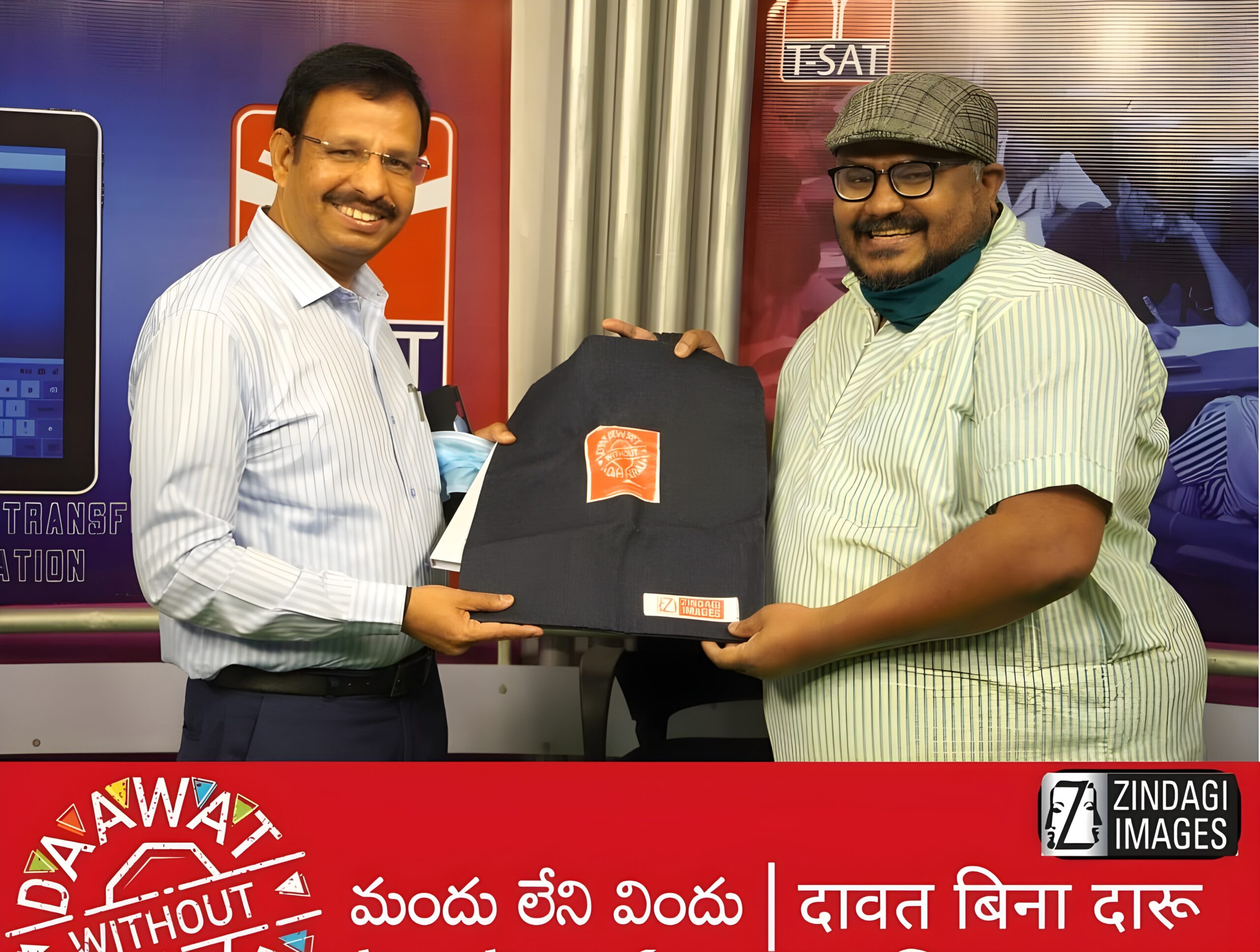
Hyderabad | OG News Desk: Every year, as December 31 approaches, discussions turn toward parties, celebrations, and late-night gatherings. However, for a large section of society, New Year events have become synonymous with alcohol consumption and alcohol-influenced driving, often resulting in tragic accidents. In response to this growing concern, social activist Chegondi Chandrashekar, known popularly as Chego, has been leading a movement titled “Daawat Without Daaru“, encouraging the public to celebrate without alcohol.
The movement traces its roots to a tragic incident that occurred in Hyderabad few years ago, where a family returning home from an evening outing was hit by a speeding vehicle driven by intoxicated youngsters. The accident claimed the life of a young girl named Ramya and critically injured her parents. The incident became a point of reflection for many, but for Chego, it became the beginning of a mission to prevent further loss of lives due to drunk driving.
Speaking about his inspiration, Chegondi Chandrashekar stated that during festivals and year-end celebrations, intoxicated driving has become a recurring threat on the roads. He said that if celebrations demand families to suffer and lives to be lost, there is a need to reconsider what celebration truly means. The determination to bring change led him to form a social awareness community titled Zindagi Images in 2018, which today consists of lakhs of members.
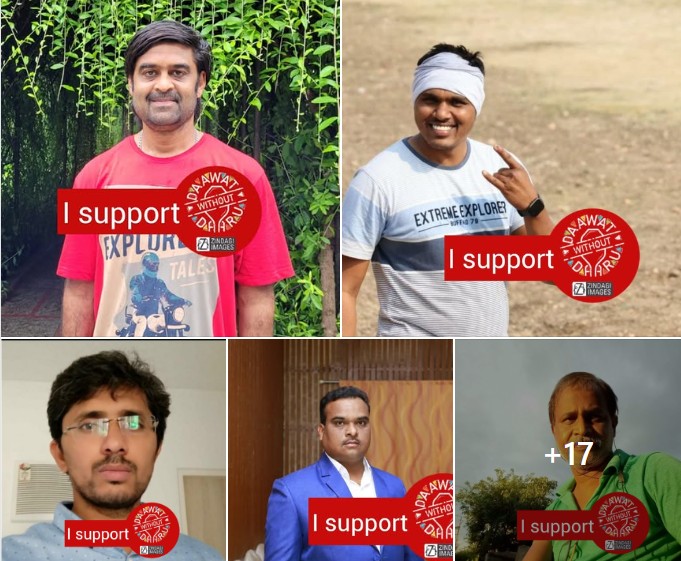
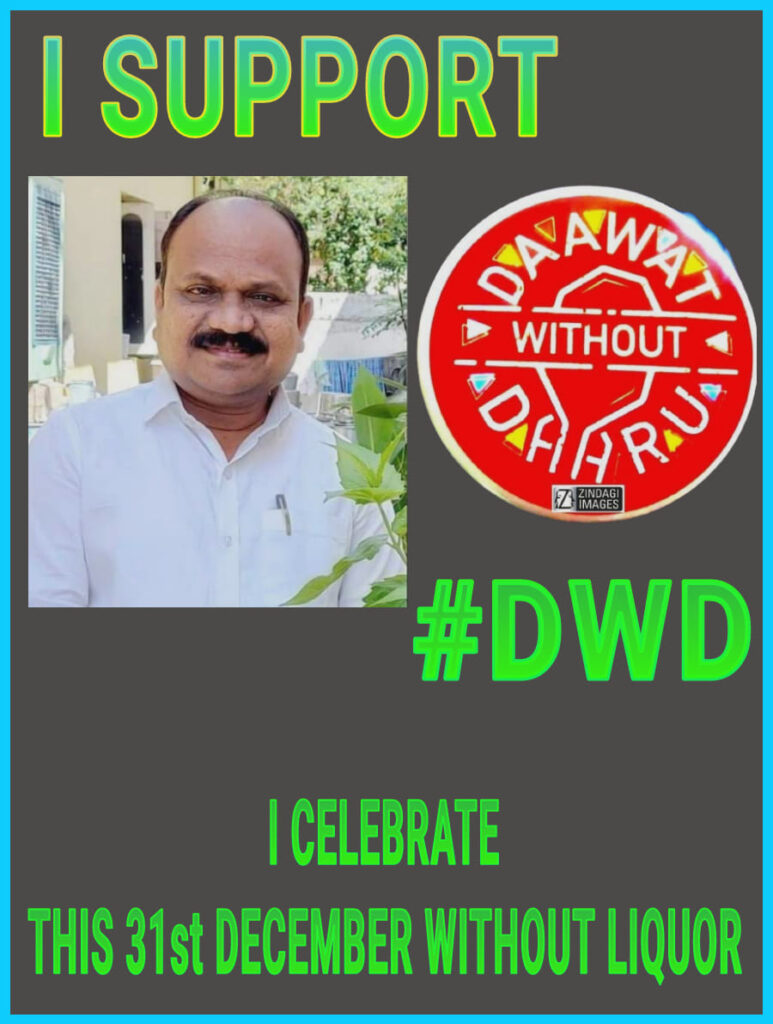
The group actively promotes the concept that celebrations need not depend on alcohol. Through street awareness programs, cultural activities, posters, short films, public meetings, and social media campaigns, the movement attempts to shift public perception. Members of the group have been advocating the belief that alcohol-free gatherings create safer environments for families, communities, and public spaces.
The movement’s slogan “Daawat Without Daaru” emphasizes that occasions such as birthdays, promotions, achievements, or New Year celebrations can be enjoyed without liquor. Many youth have publicly pledged to avoid drinking on special occasions, and several villages in Telangana have committed to voluntary alcohol-free resolutions. Supporters of the movement say that alcohol addiction is linked to road accidents, crime, family disputes, financial instability, and health issues, and avoiding it is not only a personal choice but also a social responsibility.
Chego notes that the objective is not to moralize or control public behaviour, but to create awareness that responsible celebration can save lives. He believes that even if a single accident is prevented or one person returns home safely due to this awareness, the purpose of the movement is fulfilled. The initiative sees significant momentum every December 31, when members voluntarily gather in public spaces like parks, libraries, lakesides, and community venues to celebrate the New Year without liquor.
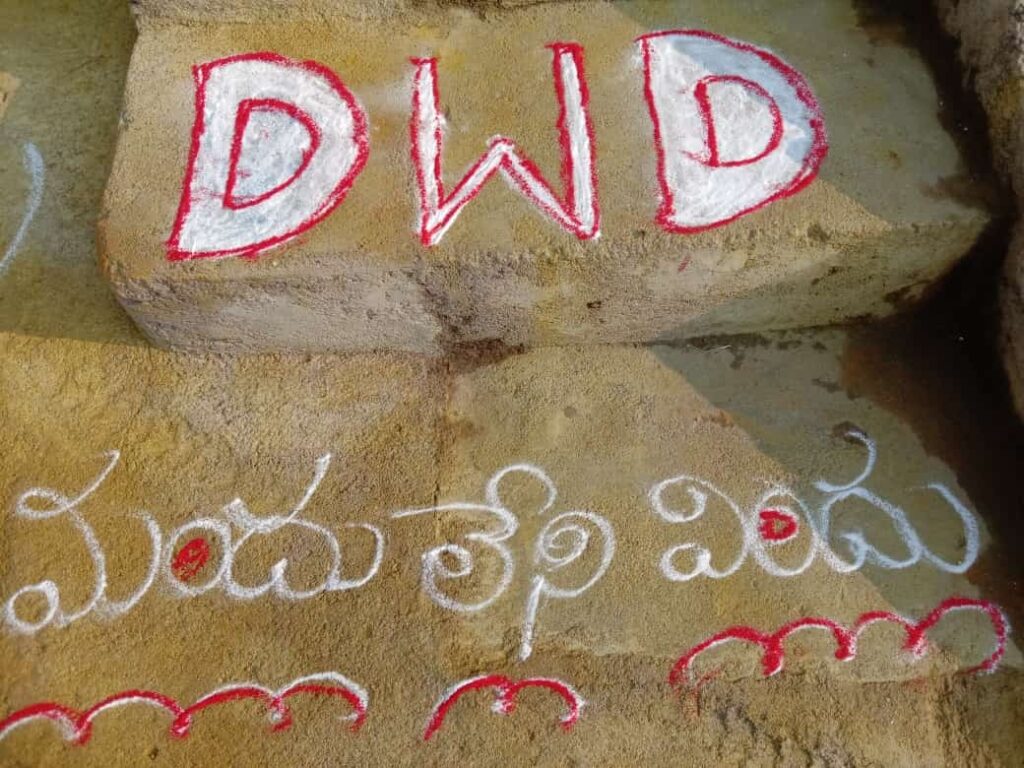
In a statement, Chego said that spending quality time with friends and family need not include alcohol for validation or acceptance. He added that youth are often influenced by peer pressure, which leads them to start drinking socially, eventually escalating into dependency. The movement encourages an alternative culture where people choose clarity, respect for life, and meaningful celebration over intoxication.
The “Daawat Without Daaru” initiative continues to expand each year and receives increased public support. It has grown from an online discussion group to a state-wide awareness platform that is slowly transforming into a public-driven social reform. As the New Year approaches, campaign supporters urge the public to celebrate responsibly, avoid drunk driving, and prioritise safety over momentary excitement.
The central message of the movement remains clear: celebration should not claim lives.