India’s ambitious shift to E20 fuel—a petrol blend containing 20% ethanol—has sparked heated debates across the nation. Rolled out at nearly 90,000 petrol pumps, the move is being hailed as a major step towards cleaner, greener energy, but it has also triggered confusion, resistance, and even legal challenges.
The Vision Behind E20 Fuel
The government’s push for ethanol-blended fuel comes with three big promises:
- Reducing oil imports – India spends billions on crude oil each year. Ethanol, produced from sugarcane, maize, and agricultural waste, can cut this dependency.
- Eco-friendly alternative – Ethanol burns cleaner than petrol, reducing harmful emissions and improving air quality in urban areas.
- Boost to farmers – By creating demand for crops like sugarcane and maize, ethanol blending opens a new market for India’s agricultural sector.
Union ministers have repeatedly called E20 a “sustainable necessity”, framing it as a national mission for energy independence.
The Other Side: Drivers and Automakers Push Back
Despite the grand vision, the ground reality is far from smooth. Complaints are pouring in from motorists across the country:
- Performance issues – Older cars and two-wheelers not designed for E20 are reportedly showing engine knocking, reduced mileage, and starting troubles.
- Compatibility confusion – Many drivers don’t know if their vehicles can run on E20, with some resorting to ethanol-free premium petrol at higher prices.
- Automaker scramble – Car companies are struggling to redesign engines and fuel systems to adapt, leading to potential delays in new launches and rising costs.
One car owner in Delhi summed up the frustration: “They introduced it overnight without telling us if our cars can handle it. Now, I pay more for fuel to avoid damaging my engine.”
The Legal & Political Angle
The Supreme Court has already received petitions questioning the sudden nationwide rollout. Petitioners argue that the policy puts consumers at risk and may lead to unfair costs for those with older vehicles.
Politically, the move has sparked mixed reactions:
- Government camp – Hails it as a revolutionary step for climate goals, calling resistance “short-term teething problems.”
- Opposition voices – Accuse the government of rushing the rollout without proper testing or awareness campaigns.
- Industry experts – Warn that India needs a phased approach, as seen in other countries, instead of a blanket switch.
Background: How Did We Get Here?
- 2003 – India first experimented with ethanol blending at 5%.
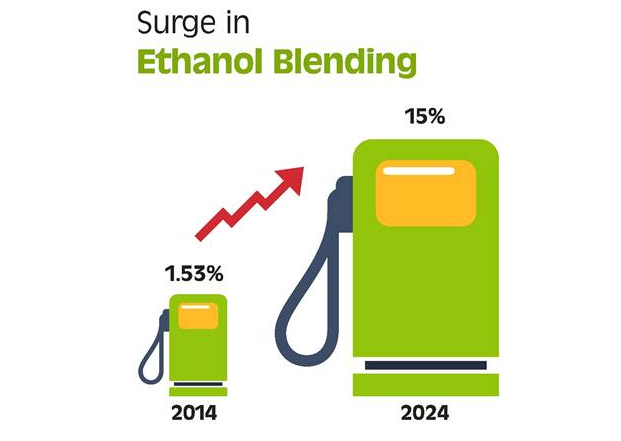
- 2014 onwards – Strong push under “Ethanol Blended Petrol Programme.”
- 2021 – Government announced a target of 20% ethanol-blended petrol by 2025 (later advanced from 2030).
- 2025 – Rollout finally hits the pumps, making India one of the first major economies to attempt such a large-scale transition.
The Benefits Ahead
If successful, the E20 programme could bring transformative change:
- Save nearly ₹30,000 crore annually in oil imports.
- Generate new income streams for farmers, especially sugarcane growers.
- Cut carbon emissions significantly, contributing to India’s climate commitments under the Paris Agreement.
- Encourage innovation in biofuels and green technology.
The Challenges & Risks
But the negatives cannot be ignored:
- Millions of existing vehicles may suffer from reduced lifespan or breakdowns.
- Higher food grain demand for ethanol may affect food prices.
- Ethanol production requires large amounts of water, sparking sustainability concerns.
- Without clear guidelines, consumers may end up paying more to keep their vehicles running smoothly.
OG News Analysis
The E20 debate is more than just about petrol—it’s about how India balances climate goals, consumer convenience, and economic strategy. For the government, it is a green leap into the future. For the common driver, it feels like being forced into an experiment.
As the controversy reaches the courts and the political stage, one thing is clear: India’s energy transition won’t be smooth, but it may well be unavoidable.
OG News Take: E20 could either become India’s proud green milestone—or its biggest fuel headache. The next few months will decide whether this blend powers progress or sparks further backlash.